Why Printed T-Shirts in LA Stand Out for Custom Apparel
Los Angeles Has Always Been a City of Style
Driving through any neighborhood in LA, you see it in the way people dress. From the sun-faded denim in Silver Lake to the bold graphics on a Venice boardwalk tee, clothing here is personal. That is especially true for t-shirts. A good tee can tell a story, start a conversation, or just make you feel like yourself. When you need something that actually represents your brand, your team, or your event, the market for printed t-shirts in LA offers more options than almost any other city.
People often ask me what makes LA different from ordering online from a generic shop. The answer is simple: speed, texture, and the ability to see and feel what you are getting. When you work with a local printer, you are not uploading a file into a void. You are working with people who know how different inks behave on different fabrics, who understand that a 50/50 blend handles differently than a ringspun cotton, and who can look at your design and tell you if that thin line is going to disappear after the first wash.
That hands-on knowledge is why Custom Shirt Printing printed t-shirts in LA has become a go-to for small businesses and event organizers around the county. They do not just push buttons on a machine. They look at your design, ask what you want it to feel like, and then guide you toward the method that actually works.
Screen Printing vs. DTF: Choosing the Right Method
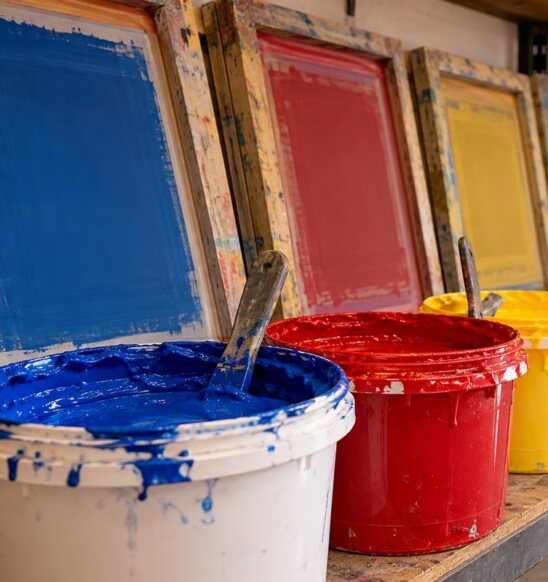
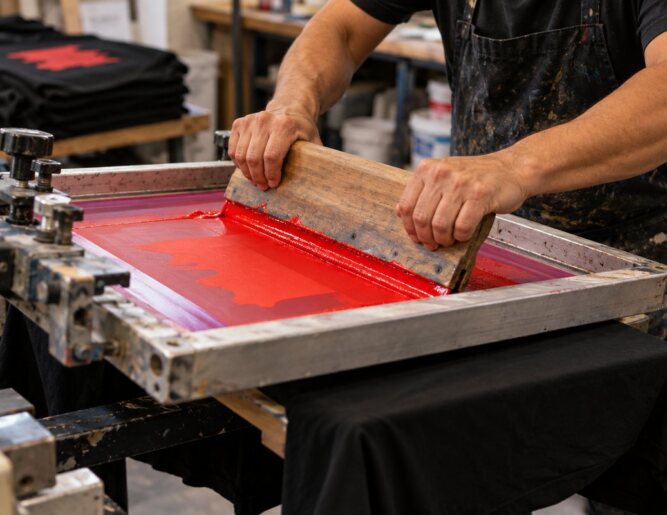
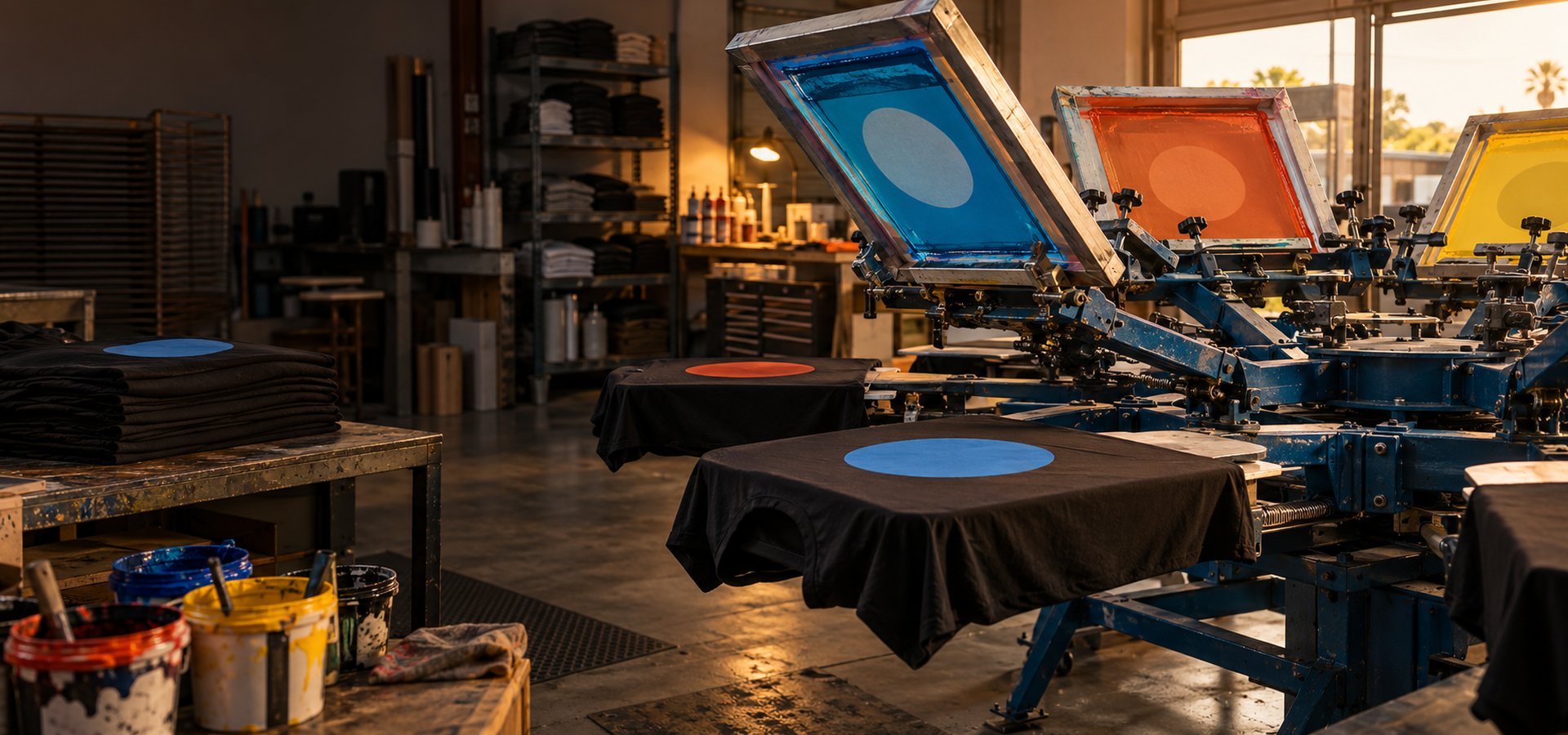
One of the first choices you face is how the shirt gets printed. Screen printing is the classic method. It has been around for decades and for good reason. The ink sits on top of the fabric, creating a soft but durable layer that holds up to washing and wear. For runs of a dozen or more, screen printing is usually the most cost-effective way to go. The setup cost is front-loaded, but once the screens are made, each additional shirt costs very little.
Direct-to-film, or DTF, is newer. It prints your design onto a special film and then transfers it onto the shirt with heat and adhesive powder. DTF is fantastic for small orders, full-color designs, or jobs where you need a single shirt. It does not require the setup time of screen printing, so you can get one-off samples or small batches without paying for screens you will only use once.
Each method has trade-offs. Screen printing gives a softer hand feel and better longevity on heavy-wash cycles. DTF can reproduce photographic detail and works on a wider range of fabric colors, including dark garments, without needing an underbase. A good shop will be honest with you about which method suits your job. If they only push one method, they are probably not looking out for your best interest.
Why Local Production Matters for Printed T-Shirts in LA
When you order printed t-shirts from a local printer, you skip the weeks of waiting for overseas production and the uncertainty of customs delays. You also avoid the environmental cost of shipping heavy boxes across an ocean. LA has a dense network of fabric suppliers, ink manufacturers, and skilled press operators. That infrastructure means a local shop can turn around an order in days, not months.
Custom Shirt Printing printed t-shirts in LA is a good example of how local production keeps the process personal. They keep everything in-house: design, screen making, printing, and packaging. That means if a color looks off on the proof, you can walk in, look at it, and ask them to adjust the mix right there. Try doing that with an online form and a customer service chatbot.
There is also the matter of supporting the local economy. When you hire a print shop in your own city, your money stays in the community. It pays for the rent of that shop, the wages of the press operators, and the supplies bought from local vendors. That might not matter to a national corporation, but for a small business owner or a nonprofit planning a fundraiser, it makes a real difference.
Design Help That Actually Helps
Not everyone who needs custom shirts has a design ready to go. Maybe you have a logo in your head but no vector file. Maybe you have a sketch on a napkin. A good print shop offers free design help to turn that idea into something printable. This is not about making you feel bad for not knowing how to use Illustrator. It is about making the process accessible.
I have seen people bring in a blurry cellphone photo of a hand-drawn logo, and the designer at the shop redrew it in high resolution, separated the colors, and turned it into a clean screen print. That kind of service is rare and valuable. It saves you the cost of hiring a freelance designer and ensures the file is set up correctly for the printing method you choose.
What to Look for When Choosing a Print Shop
If you are shopping around for printed t-shirts in LA, here are a few things to check before you commit:
- Ask about their minimum order quantity. Some shops require 24 pieces for screen printing. Others will do small runs with DTF. Know before you design.
- Request a sample of their work on the exact shirt brand you want. A print that looks great on a Gildan 5000 may look different on a Next Level 6210.
- Check their turnaround time. Rush orders are possible, but they cost more. A realistic estimate is usually 7-10 business days for standard screen printing.
- See if they offer free design help or file setup. If they charge extra for every little adjustment, that can add up fast.
These points matter because not all print shops are the same. Some are set up for high volume and low touch. Others, like Custom Shirt Printing, focus on quality and communication. Knowing what you are getting into helps you avoid surprises.
Embroidery as an Alternative or Complement
Sometimes a t-shirt is not the right vehicle for your design. If you want a more polished, professional look, embroidery on polos or hats can be a strong choice. Many print shops also offer embroidery services, and they can often combine a printed shirt order with embroidered caps or jackets in the same production run. That saves you from managing two different vendors and two different invoices.
Embroidery works best for logos with solid shapes and limited text. Fine details and tiny letters tend to get lost in the stitching. If your logo is complex, the shop can sometimes simplify it for embroidery without losing the essence. It is worth asking about if you need uniforms for a restaurant, a hotel, or a retail team.
Keeping It Real: What to Expect from Your First Order
If you have never ordered custom printed t-shirts before, set your expectations realistically. The first proof you see might not look exactly like the final print. Colors on a screen are backlit and vibrant. On fabric, they are absorbed and reflected differently. Trust the printer when they say a certain color will appear darker or more muted. They have seen thousands of prints and know how the ink lays down.
Also, order a sample before you commit to 100 shirts. Print one or two, wash them a few times, and see how they hold up. That small investment can save you from a batch of shirts that shrink, fade, or crack after three washes. A reputable shop will encourage this test. If they try to rush you into a full production run without offering a sample, be cautious.
Final Thoughts
Printed t-shirts in LA offer a combination of speed, quality, and personal service that is hard to find elsewhere. Whether you are printing for a band, a charity run, a food truck, or a corporate team, the key is working with people who understand the craft and care about the result. The right shop will not just take your order. They will help you make the best possible shirt for your budget and your timeline.
 Facebook
 Instagram